
Subterranean Termite Fumigation Services in El Monte, CA
Subterranean termite fumigation services in El Monte, CA are used when termite infestations extend beyond localized soil treatments and compromise large portions of a structure. Subterranean termites are among the most destructive termite species, building extensive colonies underground and accessing buildings through foundations, expansion joints, and cracks in concrete. Go Direct Fumigation provides professional fumigation services designed to eliminate advanced infestations that affect structural wood throughout a property.
Unlike drywood termites, subterranean termites rely on moisture and soil contact, allowing them to travel long distances and establish multiple access points into a structure. When infestations spread into wall systems, upper levels, or concealed framing, fumigation becomes a necessary solution to address termites that are no longer limited to the soil line.
Understanding Subterranean Termite Infestations
Subterranean termites operate in large colonies that can contain hundreds of thousands of termites. Their ability to remain hidden within walls and foundations makes early detection difficult and allows damage to progress rapidly.
How Subterranean Termites Invade Structures
Subterranean termites enter buildings through mud tubes constructed along foundations, plumbing penetrations, or cracks in slabs. Once inside, they feed on cellulose materials such as framing, subfloors, drywall backing, and structural beams. Over time, termites may spread throughout multiple levels of a building, making localized treatments ineffective.
Signs of Subterranean Termite Activity
Common signs of subterranean termite infestations include visible mud tubes along walls or foundations, soft or damaged wood near baseboards, bubbling paint, and sagging floors. In many cases, visible damage indicates that termites have already spread into concealed areas, increasing the need for comprehensive fumigation services.
When Subterranean Termite Fumigation Is Necessary
While soil treatments and bait systems are commonly used for subterranean termites, fumigation is recommended when infestations extend beyond accessible areas or persist despite prior treatments.
Severe or Widespread Infestations
Fumigation is often required when termites are present throughout walls, ceilings, and framing where direct access is limited. This is especially common in older structures or properties with long-standing moisture issues. Fumigation allows treatment to reach termites hidden deep within the structure, eliminating colonies that cannot be targeted from the exterior.
Structural Wood and Interior Damage
When subterranean termites cause damage to interior structural components, fumigation helps ensure termites inside wood framing are fully eradicated. This prevents continued feeding and reduces the risk of further structural compromise after treatment.
Subterranean Termite Fumigation Process
Subterranean termite fumigation is a whole-structure treatment designed to penetrate all areas where termites may be active. The process is carefully planned to ensure effectiveness while meeting safety regulations.
Structure Sealing and Fumigant Application
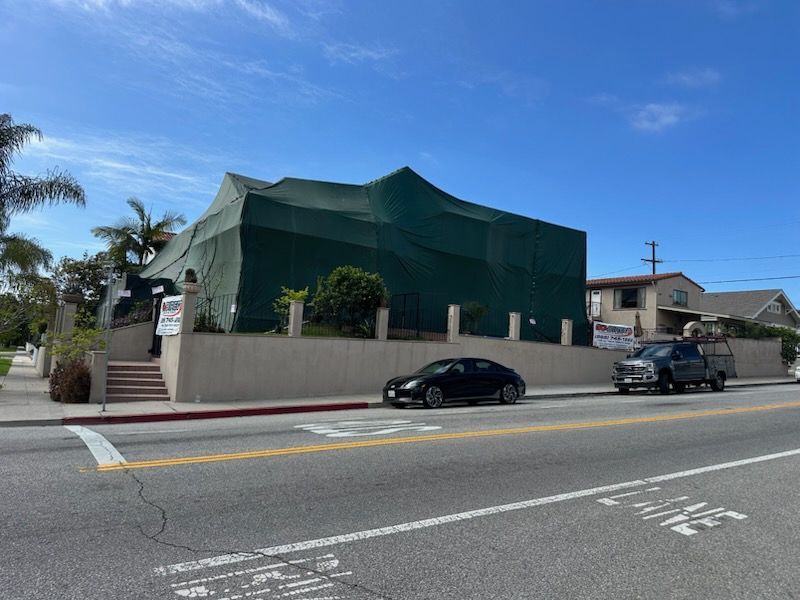
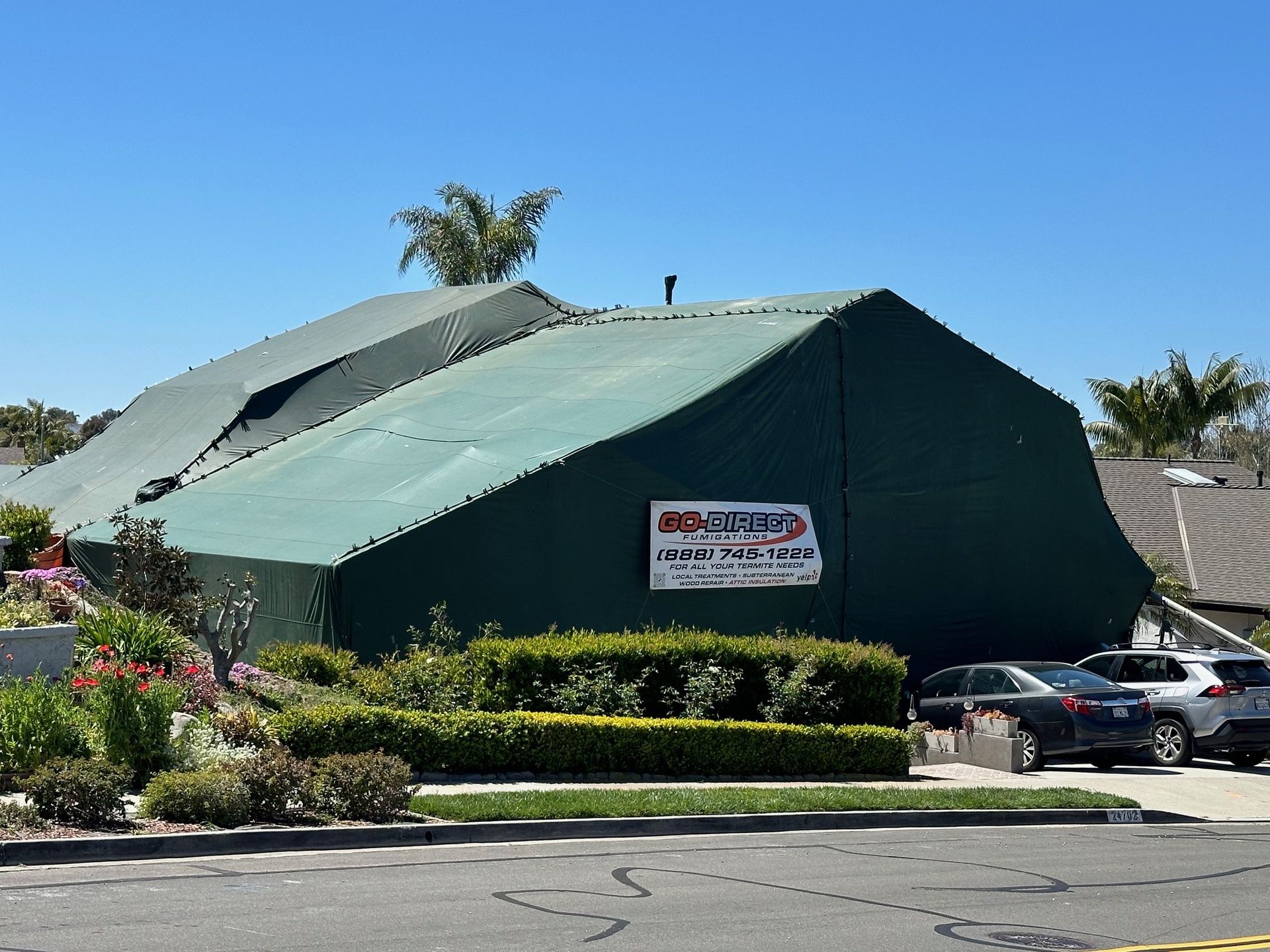
During fumigation, the structure is sealed using specialized materials to contain the fumigant. Once released, the fumigant circulates throughout the interior spaces, wall voids, attic areas, and structural wood. This exposure eliminates termites at all life stages, including those hidden behind walls and floors.
Ventilation and Clearance Procedures
After the fumigation period, the structure is ventilated thoroughly to remove all remaining fumigant. Air monitoring is conducted to confirm safe levels before clearance is issued. Re-entry is only permitted once the property meets regulatory safety standards.
Residential Subterranean Termite Fumigation
Homes in El Monte are particularly vulnerable to subterranean termites due to soil conditions, irrigation systems, and aging foundations. Residential fumigation is often necessary when infestations spread beyond the foundation level.
Single-Family Homes and Multi-Unit Properties
Subterranean termites can travel between units in connected structures such as duplexes, townhomes, and apartment buildings. Fumigation addresses the entire structure, preventing termites from remaining active in untreated sections and reducing the likelihood of reinfestation.
Commercial Subterranean Termite Fumigation Services
Commercial properties face increased risk due to building size, moisture sources, and limited visibility of termite activity. Fumigation provides a comprehensive solution when termites compromise interior structural elements.
Offices, Warehouses, and Commercial Buildings
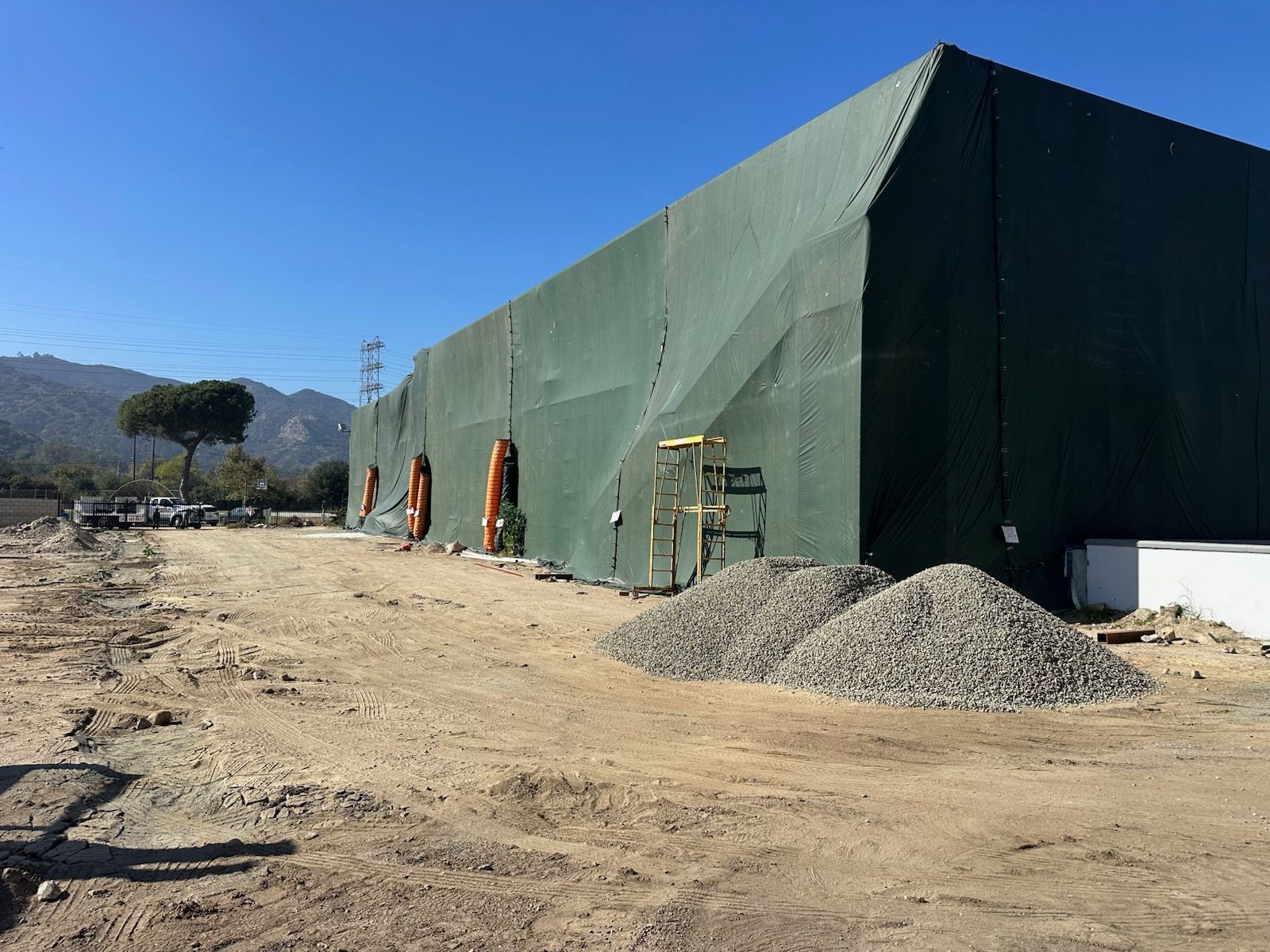
Subterranean termite fumigation for commercial buildings ensures complete exposure across large interior spaces and concealed structural areas. This service is commonly used when termites are detected in load-bearing components, interior walls, or multi-level structures where soil treatments alone are insufficient.
Safety Standards and Regulatory Compliance
Subterranean termite fumigation is performed under strict state and local regulations to protect occupants and surrounding properties. Each phase of the service follows established safety protocols.
Preparation and Re-Entry Guidelines
Property owners receive detailed preparation instructions prior to fumigation, including securing consumables and sensitive materials. After treatment, clearance testing confirms the structure is safe for re-entry. These procedures ensure fumigation is conducted responsibly and effectively from start to finish.
